

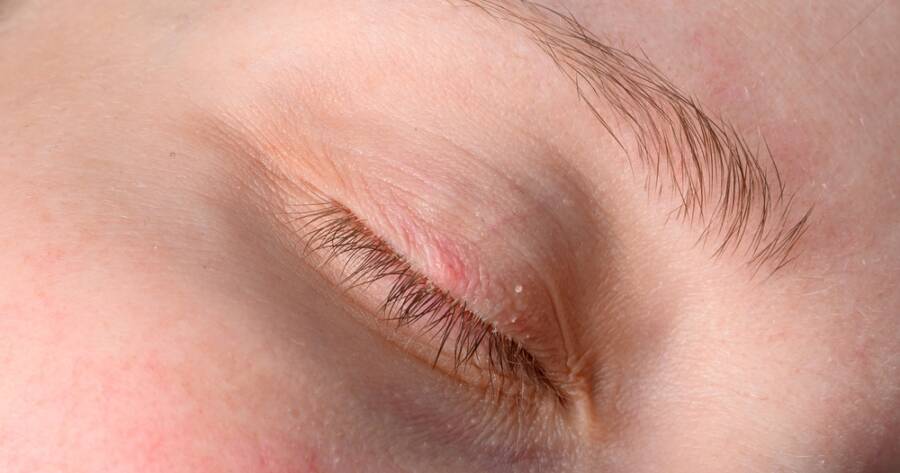
Eyelash mites, or Demodex mites, are tiny organisms residing in human hair follicles and sebaceous glands. They tend to go unnoticed until they proliferate excessively, leading to eye conditions like blepharitis. Knowing their symptoms, causes, and treatment options is crucial for maintaining eye health and preventing discomfort. Understand effective strategies for managing and preventing microscopic eyelash mites.
Understanding Eyelash Mites
Eyelash mites, scientifically known as Demodex mites, are microscopic organisms that inhabit human hair follicles and sebaceous glands. The two primary species affecting humans are Demodex folliculorum and Demodex brevis.
These mites are generally harmless and are a natural part of the human microbiome. However, when their populations grow excessively, they can lead to various eye conditions, including blepharitis, which is characterized by inflammation of the eyelids (source).
Symptoms and Diagnosis of Eyelash Mite Infestation
Common symptoms of an eyelash mite infestation include itching, swelling, redness, burning sensations, and a gritty feeling in the eyes. These symptoms can significantly impact daily life and are often mistaken for other conditions, leading to delays in appropriate care.
Diagnosis typically involves a professional eye examination, where an eye doctor uses a magnifying tool to identify signs like dandruff-like debris at the base of the eyelashes (source).
Causes and Risk Factors
Several factors contribute to the overgrowth of eyelash mites. Poor personal hygiene, aging, and a weakened immune system create an environment conducive to mite proliferation.
Certain demographics are at higher risk, including older adults, contact lens wearers, and individuals with conditions like rosacea or seborrheic dermatitis (source). These factors can lead to eye irritation and associated conditions such as blepharitis and ocular rosacea.
Treatment Strategies for Eyelash Mites
Effective management of eyelash mites involves maintaining eyelid hygiene with gentle cleansers and using over-the-counter treatments like tea tree oil wipes. Prescription treatments such as lotilaner may also be recommended (source).
Warm compresses and avoiding eye makeup during treatment are advised to alleviate symptoms. For persistent cases, professional treatments such as medicated ointments or in-office procedures like eyelid exfoliation may be necessary (source).
Preventive Measures for Eyelid Health
Preventing future mite overgrowth involves daily eyelid hygiene, avoiding shared cosmetics, and maintaining clean bedding and towels (source). Regularly replacing eye makeup and washing linens in hot water can help reduce the risk of mite transfer and proliferation.
Consistent eyelid hygiene, such as daily lid scrubs with tea tree oil-based cleansers, is crucial for long-term management and prevention of Demodex overpopulation (source).
Why You Should Learn More About Eyelash Mites Today
Understanding eyelash mites and their impact on eye health is essential for maintaining optimal eye hygiene and preventing potential complications. With the right knowledge and preventive measures, individuals can effectively manage and reduce the risk of mite infestations.
As off-putting as eyelash mites sound, they can be treated with some routine changes. Regular consultations with eye care professionals can provide tailored advice and treatment options, ensuring long-term comfort and eye health. By staying informed, individuals can take proactive steps to protect their eyes from the adverse effects of eyelash mites.